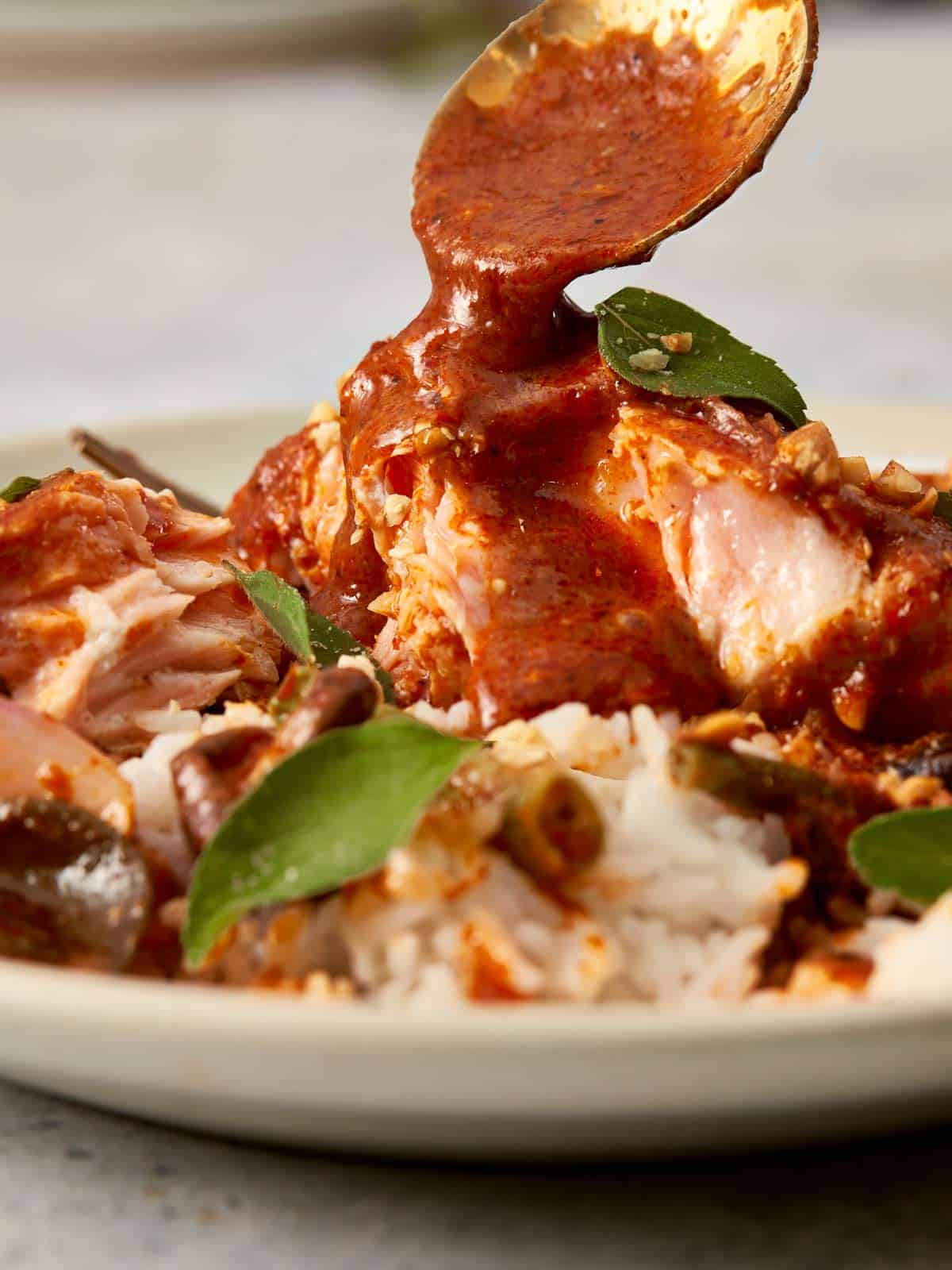
There’s an undeniable magic in a perfectly crafted Thai curry – a symphony of rich, aromatic spices, velvety coconut milk, and just the right whisper of heat. But when you introduce succulent, tender salmon into that equation, something truly extraordinary happens. This isn't just another weeknight meal; it's a culinary escape, a moment of pure comfort that makes your kitchen smell like happiness itself. We're talking about Quick & Creamy Salmon Panang: a dish that delivers restaurant-quality indulgence while remaining completely Paleo and Dairy-Free. It's the kind of luxury you can whip up in minutes, transforming an ordinary evening into an unforgettable dining experience.
If you have a soft spot for robust, comforting dishes that don't skimp on flavor, then this Salmon Panang Curry: Bold Thai Flavors & Indulgent Creaminess is about to become your new obsession. Forget the takeout menu; you're about to discover how simple it is to create an aromatic, satisfying, and incredibly healthy Thai fish curry right in your own home. It’s rich, it’s layered, and it hits every single note of sweet, salty, and spicy balance that defines authentic Thai cuisine, all while adhering to a Paleo lifestyle.
The Allure of Panang: Why It Stands Apart
While the world of Thai curries is vast and vibrant, Panang curry carves out its own unique niche. What sets a Panang apart from its Red, Green, or Massaman cousins? It’s all in the texture and the specific flavor profile. Panang is notably thicker, richer, and more indulgent. It’s designed to cling to every morsel of food, creating a velvety coating that enhances each bite. Imagine that luxurious sauce enveloping flakes of perfectly cooked salmon – that’s the Panang promise.
The signature flavor balance of Panang is a masterclass in culinary harmony. It delivers a delightful interplay of subtle sweetness, often derived from palm sugar, a bright citrusy lift from kaffir lime, and a gentle, lingering chili heat that invites you back for more without overwhelming your palate. Underlying these prominent notes are the deep, nutty, and slightly earthy undertones from the Panang curry paste itself, which distinguishes it from the brighter, more herbal Red or Green curries. This makes for a curry that feels profoundly comforting and luxurious, yet surprisingly light and vibrant. It’s a dish that tastes complex and sophisticated, yet, as you’ll discover, is remarkably straightforward to prepare.
Crafting Flavor: Key Ingredients for an Authentic Paleo Panang
The secret to any extraordinary dish lies in the quality and synergy of its ingredients. For our Paleo and Dairy-Free Salmon Panang Curry, a few star components do all the heavy lifting, building layers of authentic Thai flavor.
- Panang Curry Paste: This is the heart and soul of your curry. Unlike some other pastes, Panang paste often brings a slightly sweeter, nuttier profile with a medium heat. When choosing a Paleo-friendly paste, be vigilant: many commercial brands contain shrimp paste, refined sugars, or artificial additives. Look for artisanal brands or those specifically labeled 'vegan' (then check for fish sauce if strictly vegan is not your goal, but usually implies no shrimp paste) or 'gluten-free,' and always check the ingredient list for hidden dairy or non-Paleo ingredients.
- Full-Fat Coconut Milk: The creamy, luscious base that makes this curry so irresistible. Opt for full-fat canned coconut milk, as it provides the essential richness, silken texture, and dairy-free creaminess that defines a Panang. Avoid 'light' versions; they compromise on both flavor and body.
- Palm Sugar: This adds a unique, caramel-like sweetness and contributes to the glossy finish of the sauce. While crucial for authentic flavor, if you’re strict Paleo and avoiding all sugars, a small amount of coconut sugar or maple syrup can be substituted, though the flavor profile will be slightly different. For many Paleo followers, palm sugar in moderation is acceptable.
- Kaffir Lime Leaves: These fragrant leaves are non-negotiable for their bright, citrusy, and slightly floral notes that cut through the richness of the coconut milk. Gently bruise them before adding to release their essential oils. If fresh are unavailable, dried can work, but their potency is reduced. As a last resort, a tiny bit of fresh lime zest can offer a hint of the aroma, but won't replicate the unique depth.
- Fresh Salmon Fillets: The star protein! Choose fresh, firm salmon fillets, preferably wild-caught for optimal flavor and nutritional benefits. Skin-on or off is a personal preference; skin-on can crisp up beautifully if seared first, adding another textural dimension. Its buttery texture and rich flavor absorb the Panang sauce beautifully.
- Fish Sauce (or Tamari for soy-free): Essential for that characteristic salty, umami depth. Ensure it's a good quality brand with minimal ingredients. For a soy-free and gluten-free option, coconut aminos can be used, but you may need to adjust the salt content.
- Fresh Vegetables: While the context mentions green beans, carrots, onion, and mushrooms, don't hesitate to customize. Bell peppers (red and green), bamboo shoots, or baby corn are also fantastic additions, adding texture, color, and nutrients.
- Fresh Thai Basil: Stirred in at the very end, Thai basil provides a fresh, anise-like finish that brightens the entire dish and makes the aroma truly unforgettable.
From Pantry to Plate: Your Step-by-Step Guide to Quick & Creamy Salmon Panang
The beauty of this Creamy Salmon Panang: Your Easy Guide to Thai Weeknight Luxury is how swiftly it comes together in a single pan once your ingredients are prepped. This makes it perfect for a satisfying weeknight meal without a mountain of dishes.
Step 1: The Mise en Place – Prep for Success
Before you even turn on the heat, gather and prepare all your ingredients. This 'mise en place' is crucial for smooth Thai cooking. Slice your green beans into 1-inch pieces, dice your onions, slice your carrots and mushrooms, and deseed and slice any bell peppers. Have your coconut milk cans open, kaffir lime leaves ready, and salmon fillets patted dry. This ensures a seamless cooking process.
Step 2: Sautéing the Foundation
Heat a splash of your preferred high-heat cooking oil (like avocado oil) in a large pan or wok over medium-high heat. Add your chosen vegetables – green beans, carrots, onions, and mushrooms, plus any bell peppers. Stir-fry them for 3-5 minutes until they are vibrant, slightly tender-crisp, and beginning to caramelize. This initial sear builds flavor and ensures the vegetables retain some bite. Remove them from the pan and set aside.
Step 3: Blooming the Paste & Building the Sauce
In the same pan, reduce the heat to medium and add a little more oil if needed. Spoon in your Panang curry paste. Stir and fry the paste for 1-2 minutes until it becomes incredibly fragrant – this process, known as 'blooming' the paste, unlocks its full aromatic potential. Stir in the palm sugar until it melts and combines with the paste, creating a rich, glossy base.
Pour in the full-fat coconut milk, stirring constantly to incorporate the paste and sugar. Add the fish sauce (or coconut aminos), lime juice, and the bruised kaffir lime leaves. If you like more heat, now is the time to add a few thin slices of fresh red chili. Bring the sauce to a gentle simmer and let it cook for 5-7 minutes, stirring occasionally, until it thickens slightly and the flavors meld. You can also stir in a splash of vegetable or chicken stock here for added depth, though it's optional.
Step 4: Introducing the Salmon
Gently nestle the salmon fillets into the simmering Panang sauce, skin-side down (if using skin-on). Ensure they are partially submerged. Reduce the heat to low, cover the pan, and let the salmon simmer gently for 6-8 minutes, depending on the thickness of your fillets, until it's almost cooked through and flaky. Avoid overcooking the salmon! Once almost done, carefully flip the fillets once to ensure they are fully coated in that glorious sauce.
Step 5: The Finishing Touches
Return the sautéed vegetables to the pan, gently stirring them into the sauce around the salmon. Finally, stir in a generous handful of fresh Thai basil leaves. The residual heat of the curry will wilt them perfectly, releasing their vibrant aroma. Taste the curry and adjust seasonings as needed – add more fish sauce for saltiness, lime juice for brightness, or palm sugar for sweetness. Remove the kaffir lime leaves before serving.
Elevating Your Panang Experience: Serving Suggestions & Paleo Pairings
A dish as rich and aromatic as Salmon Panang Curry deserves thoughtful accompaniment. While traditionally served with jasmine rice, a Paleo and Dairy-Free lifestyle opens up exciting alternative pairings that complement its bold flavors beautifully.
Paleo-Friendly Staples:
- Cauliflower Rice: This is a quintessential Paleo pairing, offering a neutral base that soaks up every drop of that creamy Panang sauce without adding grains.
- Zucchini Noodles or Spiralized Sweet Potato: For a lighter, vegetable-forward option, these can provide a wonderful textural contrast and absorb the sauce wonderfully. Simply blanch or sauté lightly before serving.
- Steamed or Roasted Greens: A simple side of steamed broccoli, asparagus, or sautéed bok choy provides a fresh, healthy counterpoint to the richness of the curry.
Creative Sides & Garnishes:
- Fresh Herbs & Lime: Always finish with a scattering of fresh Thai basil, cilantro, and a wedge of lime for a final burst of freshness.
- Roasted Peanuts (Optional for Paleo/Nut-Free): While traditional, if adhering to strict Paleo or a nut-free diet, omit these. Otherwise, a sprinkle of crunchy roasted peanuts adds a lovely texture.
- Cool & Crisp Salad: Inspired by the idea of an Avocado Feta Cucumber Salad, you can create a Paleo-friendly version by combining diced avocado, cucumber, and red onion with a squeeze of lime and fresh mint or cilantro. The cool, crisp crunch provides a delightful contrast to the warm, creamy curry.
Sweet Endings (Paleo-Approved):
To round out your Thai feast, a simple yet indulgent Paleo dessert can be perfect. Fresh mango slices with a dollop of whipped coconut cream make for a light, refreshing, and naturally sweet conclusion. Or, consider a deconstructed "parfait" with layers of fresh fruit, coconut cream, and a sprinkle of toasted coconut flakes for a truly satisfying finish.
This Salmon Panang Curry is incredibly versatile. Feel free to swap the salmon for chicken breast, shrimp, or even firm tofu if you're looking for different protein options, making it a recipe that can easily adapt to various preferences while retaining its core deliciousness.
This Quick & Creamy Salmon Panang is more than just a recipe; it's an invitation to savor the sophisticated, comforting flavors of Thailand in a healthy, accessible way. From its rich, velvety sauce to the tender, flaky salmon and vibrant aromatics, every spoonful is a testament to the power of well-balanced ingredients. Whether you're adhering to a Paleo lifestyle, seeking dairy-free comfort, or simply craving an extraordinary weeknight meal, this dish delivers. Embrace the warmth, the fragrance, and the pure satisfaction of a homemade Panang, and let it transport your senses to a world of bold Thai flavors right in your own kitchen.
